せいきん、わたしのいちばん好きな物がねむりです。でもう、私はなかなか寝られません。わたしはとてもむすがしいからです。たくさんFinalのしけんがいっていますね。こわいいですね。でもう、Finals をおわると夏休みになりますよ!とてもいいです!私はたくさん寝ると思います。5月12にちから6月13にちうちにいます6月13日からコルンビア大学でInternshipをします。
みんなさん、夏休みに何をしますか。
Thursday, April 21, 2011

Monday, April 11, 2011
Composition: 私のいちばんたいせつおもいど
わたしのいちばんたいせつなおもいどははじめてマフィンをたべたときです。そのマフィンをたべたら、マフィンがとてもすきになりました。そして そのマフィンを食べてから,マフィンの作り方をよく習いたかったです。ですから,としょかんへりょうりの本を借りに行って、うちへ帰って、マフィンをたくさん作りました。はじめにわたしのマフィンはとても悪かったですが、だんだんすこしよくなりました。そして少し有名になりました。わたしのまちのひとはわたしのマフィンがとてもすきでした。ですから、マフィンをよく作りました。
でも、わたしはマフィンを作りだけだはありませんでした,学校やアルバイトでマフィンのえをよく書きました。マフィンがとてもすきでしたから。
あすひ、私のまちのスーパーのかちょうと話したら,かちょうはわたしのスーパーであなたのマフィンを売らないかといいました。わたしは「はい」といいました。それから、わたしはスーパーでマフィンを売りました。私は小さい会社がありました。私の会社の名前はLittle Miss Muffinです。とてもむずかしですがとてもたのしかったです。私はいろいろなことをしなければなりませんから、social lifeがあまりありませんでした。それはだいじょうぶですから,いくらさんびしくても、マフィンが私の友達でした。

一年ぐらい私の会社がありました。でも,私は大学生になったとき、マフィンの仕事をやめなければなりませんでした。わたしはひっこしして、もっとたくさんべんきょうしなければなりませんから。でも,時どき、週まつ、時間があったら、マフィンを作ります。そして、しょうらい、たんぶん、私の会社をもういちどはじめます。
Friday, April 8, 2011
Sunday, February 20, 2011
ミラーさんへ、
今晩は、おげんきですか。
わたしはミラーさんにEメールーをもらいました。はる休みのりょこうへいきたいですね。どこがしっていませんね。しんぱいしないでください!わたしはミラーさんにてつたいます!

えーと、ミラーさんのしゅみはうまのしゃしんをとることですね。じゃ、ミラーさん、Chincoteague へ行ったことがありますか。ChinctoteagueはVirginiaの中にあります。Chincoteagueにうまがたくさんあっています!ブラウンうまでしろいうまでくろいうまです。ミラーさんはしゃしんをたくさんとることができます!すてきですね。そして、もしかしたら、うまにのることができます!!
そして、はるにChincoteagueのてんきはとてもいいです。あたたかくてすこしくもりです。Chinctoteagueはみどりがおおくてきれいです。そして、Chincoteagueはとてもしまです。ミラーさんはうまとうみでおよぐことができます!とてもたのしですね。
でもChincoteagueの物の中でゆうめいなうまがいちばんいいです。ミラーあんはMisty of Chinctoteagueをしていますか。Mistyはとてもゆうめいなうまです。Chinctoteagueにすみました。Misty of Chinctoteagueも本です。ミラーさん、あの本は読んだことがありますか。Chinctoteagueへいくまえに読んでください。しんに、あの本をよまなければなりません!
Chinctoteagueは食べ物がとてもおいしいです!Chinctoteagueに人はうまの肉をたべています。じょうだん!!しんぱいしないでください!うまの肉をぜんぜん食べません。とてもおいしいりんごでケーキを食べています。ミラーあんはうまにりんごをあけことができます!すごいですね。
Chinctoteagueはとてもすてきです!ぜひ、ミラーさんはChinctoteagueへいきましょう!
ビーデオを見てくださ。
Wednesday, February 16, 2011
ラーンドムポスット
こんばんは!エート。。。。何を書くことができますか。。。。じゃ!
先週、わたしは友達とカラオケをしたかったですが21さいじゃありませんから、カラオケをすることができませんでした。たへんですね。
でも、今週の木曜日にカラオケをします!週まつ、21さいがいなければなりませんが、日曜日から木曜日21さいがいなくてもいいです。O(≧∇≦)O
先週、わたしは友達とカラオケをしたかったですが21さいじゃありませんから、カラオケをすることができませんでした。たへんですね。
でも、今週の木曜日にカラオケをします!週まつ、21さいがいなければなりませんが、日曜日から木曜日21さいがいなくてもいいです。O(≧∇≦)O
Communication
The podcast project is all about communication, therefore I hope to learn strategies of effective communication. This learning will be all the more significant considering that we are communicating in a non-native language.
The challenge of clearly and concisely conveying a message (such as the one to be conveyed through the podcast) is compounded when faced with a limited aptitude for usage of the communicative medium (in this case, the Japanese language). However communication, to me, is effectively establishing an understanding between the speaker and audience so that the intention of the speaker's message is conveyed correctly to the audience. I think that we will be able to do this in our podcast so long as we do not try and make our message overly complex. With a limited lexicon it follows that our message must be correspondingly simple in order for it to be effective.
Be that as it may. Language is not our only means of communication. The podcast is a video, and thus the music, emotional cues of the actors, the setting, etc. all will assist in the communication of our message. I suppose this is another important skill to learn: to synthesize these attributes in order to convey a certain message.
>*v*<
The challenge of clearly and concisely conveying a message (such as the one to be conveyed through the podcast) is compounded when faced with a limited aptitude for usage of the communicative medium (in this case, the Japanese language). However communication, to me, is effectively establishing an understanding between the speaker and audience so that the intention of the speaker's message is conveyed correctly to the audience. I think that we will be able to do this in our podcast so long as we do not try and make our message overly complex. With a limited lexicon it follows that our message must be correspondingly simple in order for it to be effective.
Be that as it may. Language is not our only means of communication. The podcast is a video, and thus the music, emotional cues of the actors, the setting, etc. all will assist in the communication of our message. I suppose this is another important skill to learn: to synthesize these attributes in order to convey a certain message.
>*v*<
Wednesday, February 2, 2011
何が好きですか
わたしは何が好きですかね。
わたしはものがたくさんすきです。

食べ物の中であまい食べ物がいちばんすきです。カキーとチョクレットとpastryはとてもおいしい。そしてChipotleがとてもすきです。わたしはAddictedです。でもう。。わたしはマーフンがずっといちばんすきです!
本の中でハリーパーターとThe Lord of the RingsとAnything by Ernest HemingwayとGreat Expectations (and other Charles Dickens)とJane AustenとEarth's ChildrenとHis Dark MaterialsとMemoirs of a げいしゃがいちばんすきです。わたしは本がとてもすきです。。。

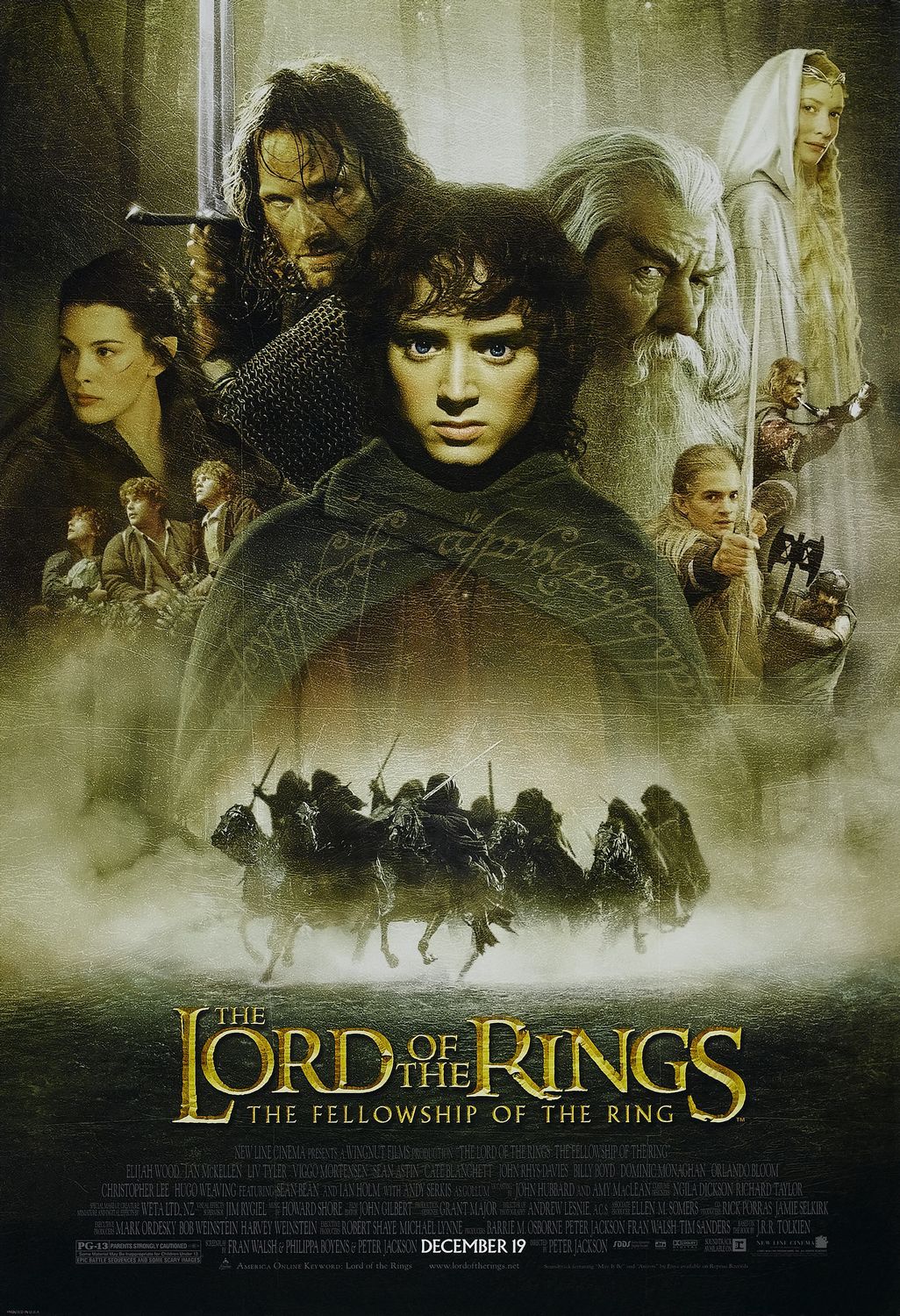 えがの中でスタルワルスとEdward ScissorhandsとThe Princess BrideとThe Lord of the RingsとDonnie DarkoとThe Never Ending StoryとPan's Labyrinthがいちばんすきです。
おんがくの中でThe Beatlesがいちばんすきです。わたしはおんがくがたくさんすきです(Literally, I like a lot of different types of music)がThe Beatles are the best.
Finally, わたしはかわいいものがとてもすきです!!!

わたしはものがたくさんすきです。
食べ物の中であまい食べ物がいちばんすきです。カキーとチョクレットとpastryはとてもおいしい。そしてChipotleがとてもすきです。わたしはAddictedです。でもう。。わたしはマーフンがずっといちばんすきです!
本の中でハリーパーターとThe Lord of the RingsとAnything by Ernest HemingwayとGreat Expectations (and other Charles Dickens)とJane AustenとEarth's ChildrenとHis Dark MaterialsとMemoirs of a げいしゃがいちばんすきです。わたしは本がとてもすきです。。。おんがくの中でThe Beatlesがいちばんすきです。わたしはおんがくがたくさんすきです(Literally, I like a lot of different types of music)がThe Beatles are the best.
Finally, わたしはかわいいものがとてもすきです!!!
Saturday, January 22, 2011
こんばんは!! おげんきですか。ふゆ休みはどうですか。わたしのふゆ休みはとてもよかったです。いすがしくなかったです。わたしはたくさんねました。ふゆ休みに毎晩、十時かんねました。とてもすてきです!でもう、わたしはあけねませんでした。わたしはともだちにあいました。わたしたちはあすびます!そして、わたしはかずくにあいました。ははとふくをかいました。そして、えいがくぉたくさんみました。ブラクスワンがとてもすきでした。わたしはいぬとねことあすびました。
ふゆ休みにクリスマスがあります。わたしはサンタにipod touchをもらいました。これはすてきです。あのう。。。わたしのかずくのクリスマスきはundecorated. とてもsadです。(We literally have a fir tree in our sitting room..no ornaments....)

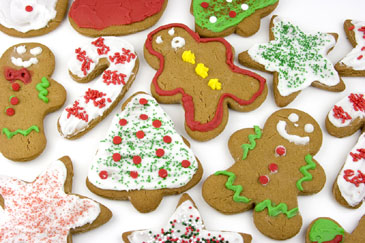 わたしdecorateしません、クリスマスクーキーをたくさんつくりましたから。六時かんつくりました。
わたしのふゆ休みはとてもたのしかったです。えーと。。。わたしは日本語をべんきょうしませんでした。。。わたしはわるいです。。。
今、わたしは日本語をだいたいべんきょうします。(I am going to--unfinished tense)
ふゆ休みにクリスマスがあります。わたしはサンタにipod touchをもらいました。これはすてきです。あのう。。。わたしのかずくのクリスマスきはundecorated. とてもsadです。(We literally have a fir tree in our sitting room..no ornaments....)
わたしdecorateしません、クリスマスクーキーをたくさんつくりましたから。六時かんつくりました。わたしのふゆ休みはとてもたのしかったです。えーと。。。わたしは日本語をべんきょうしませんでした。。。わたしはわるいです。。。
今、わたしは日本語をだいたいべんきょうします。(I am going to--unfinished tense)
Sunday, December 5, 2010
二十年ごの。。。
二十年ごの、わたしのせいがつはとてもいそがしいですが、とてもたのしいです。ワシントンD.C.にいます。E.P.A.の会社員です。そして、わたしはちいさい会社があります。マフィンをつくります。そしてうります。わたしのしごとはとてもいいです。
 わたしのかぞくは六人です。おっととむすめとむすこといぬとねこです。おっとはとてもハンサムです。そしてしんせつです。わたしのこどもはとてもかわいいです。そしていいです。わtしのいぬはBernese Mountain Dogです。
わたしのかぞくはおおきいうちにいます。
うちのなかにとてもすてきなものがたくさんあります。Sock Monkeyがあります。
 毎週、わたしは月曜日から木曜日まではたらきます。週まつはとてもたのしいです。金曜日わたしはかぞくと山でHikingをします。それから、き尿日の晩、わたしはともだちにあいます。わたしたちはあそびます。土曜日わたしはこどもといぬとこうえんやびじゅつかんへ行きます。土曜日の晩おっととしょくじします。とてもおいしいレストランへ行きます。でも、日曜日わたしはのにもをしません。やすみます。えいがをみます、本をよみます、たべものをたべます。月曜日からはたらきます。
わたしのせいがつがすきです。

わたしのかぞくはおおきいうちにいます。
うちのなかにとてもすてきなものがたくさんあります。Sock Monkeyがあります。
わたしのせいがつがすきです。
Wednesday, December 1, 2010
Katakana Analysis Final, Finally!
Throughout my study of Katakana, it has become clear that this script has myriad uses. Indeed, contrary to my former misconception that Katakana was used only for foreign loan words, the script has many additional functions including emphasis of native Japanese words and onomatopoeic words—also are of Japanese origin.
I was initially surprised to find that the script I had always associated with “foreign words” was in fact used to write certain words of the native Japanese language. However, this usage is perhaps not so surprising when one considers the history of Katakana. Japanese students of Buddhism who were having difficulty remembering the pronunciations and meanings of unfamiliar kanji originally developed katakana. These Kanji were indeed difficult seeing as the characters were used for their Chinese meaning, but the Chinese pronunciation was replaced with a Japanese pronunciation. For those who study Japanese, this should shed some light on why it is so difficult to determine the proper reading of Japanese, as most characters still have both Chinese and Japanese readings. In order to keep pace with the teachings, a phonetic shorthand had to be developed. This was Katakana. “The method of deriving the characters was the use of only part of the Chinese character for simplification” (White).
This is why, when learning Kanji, Katakana syllables can often be spied. For example, the Kanji 社 contains as a radical, the katakana ネ “ne”. Katakana’s origin as a phonetic mnemonic is suggestive of the origin of its current onomatopoeic usage.
In Japanese, as in English, Onomatopoeic words are those that phonetically imitate natural sound. Unlike English however, in Japanese “there are literally hundreds of these words and they are used much more frequently” (SEDL.org). Indeed, as I embarked upon my literary work (a manga, see post below), I was astounded by the sheer magnitude of onomatopoeia, all written in Katakana. A few of my favorite were スウウスウウ to indicate the swooshing of air, and バタアアン to indicate a slamming noise. These are Japanese onomatopoeia, words of Japanese origin with no meaning other then their sound. Thus this usage is consistent with the original usage of Katakana as a merely phonetic mnemonic.
What is more, onomatopoeic Katakana serves a dual purpose in some cases. The violent, forceful action of slamming for instance is just the type of word that seems prudent to emphasize. This is another usage of Katakana. The severe angles of the characters provide a dimension of sharpness that lends itself to a certain level of uniqueness or emphasis. Thus, not only does Katakana illustrate the onomatopoeia of slamming, it also emphasizes the action.
Of course, words beyond onomatopoeia are emphasized using Katakana. For example, in manga, words typically written in Kanji or Hiragana are written in Katakana in order to underscore intense emotion or a specific manor of speech. For example, in the manga Ranma ½, the character, Ranma calls another character, Kuno, “sempai”, the title given to a more advanced student. However, this Japanese word is written in Katakana to indicate sarcasm. Ranma does not have the respect for Kuno one should have for a Sempai. Furthermore, time and time again in countless manga, expressions carrying extreme emotions are written in Katakana. This usage is similar to the English usage of italics. (Anime Turnpike)
Thus, Katakana has several purposes in dealing with native Japanese words. Of course, Katakana certainly is also used to transcribe foreign “loan” words. The word soda for instance is written in Katakana: ソーダ. Reviewing the history of soda, it is clear this fizzy beverage is a Western phenomenon. The first soda to be invented was Ginger Ale in Ireland circa 1851, followed by Root Beer in 1876, Dr. Pepper in Texas in 1885, and coca-cola in Georgia in 1886. It was the mass production of coco-cola and the subsequent formation of massive soda corporations that lead to the export of soda to the eastern world, including Japan. Today, though Japan has many unique flavors of soda, the word itself, true to its Western origin, remains in Katakana.
Clearly, Katakana is an intricate script, with many subtleties of usage. In reading different textbooks introductions of Katakana, it was immediately evident that certain textbooks explored these subtleties in much greater depth than others. This no doubt is due to the audience each book was aimed at. Those students beginning Japanese for the first time, particularly younger students, potentially could be overwhelmed by the complicate nature of Katakana, and the simpler explanations were no doubt targeted at these individuals. As students wet their feet however, and become more proficient in the language, it seems logical that a more comprehensive explanation be provided. TO my mind, this is the most logical explanation for the degrees of detail found in textbook explanations of Katakana usage.
Clearly, Katakana is an intricate script, with many subtleties of usage. In reading different textbooks introductions of Katakana, it was immediately evident that certain textbooks explored these subtleties in much greater depth than others. This no doubt is due to the audience each book was aimed at. Those students beginning Japanese for the first time, particularly younger students, potentially could be overwhelmed by the complicate nature of Katakana, and the simpler explanations were no doubt targeted at these individuals. As students wet their feet however, and become more proficient in the language, it seems logical that a more comprehensive explanation be provided. TO my mind, this is the most logical explanation for the degrees of detail found in textbook explanations of Katakana usage.
Works Cited
"Common Japanese Onomatopoeia Word Sounds Found in Manga." JapanSugoi - Everything Cool about Japan. 2009. Web. 01 Dec. 2010. <http://www.japansugoi.com/wordpress/common-japanese-onomatopoeia-word-sounds-found-in-manga/>.
"Japanese Onomatopoeia." Languages Other than English: Center for Educator Development. Southwest Educational Development Laboratory. Web. 01 Dec. 2010. <http://www.sedl.org/loteced/scenarios/japanese_onomatopoeia.html>.
"Japanese Writing System." Home - CSU, Chico. Web. 01 Dec. 2010. <http://www.csuchico.edu/~cheinz/syllabi/asst001/fall97/mat-wite.htm>.
Mitamura, Yasuko Kosaka. Let's Learn Katakana. Tokyo: Kodansha International, 1985. Print.
"Usage of Hiragana/katakana." Anime Web Turnpike. 2010. Web. 01 Dec. 2010. <http://forum.anipike.com/archive/index.php/t-1115.html>.
CSU, Chico. California State University. Web. 01 Dec. 2010. <http://www.csuchico.edu/~cheinz/syllabi/asst001/fall97/mat-wite.htm>.
Friday, November 19, 2010
Literary Work
This is my rather rough draft of a Manga. I primarily used Katakana for onomatopoeia and for foreign loan words. I also employed Katakana as a means of emphasis when the students are overcome with emotion.
おねがいします!


おねがいします!


Wednesday, November 10, 2010
Composition 2
山田さんへ、
ハじめまして。わたしはオータムボードナーだす。アメリカじんです。ニューヨークのコロンビアだいがくのいちねんせいです。マリーランドからきました。わたしのせんこうはSustainable Developmentです。そして、わたしはにほんごのがくせいです。
コロンビアだいがくはちいさいだいがくですがとてもきれいなだいがくです。ニューヨークはとてもにぎやかなまちです。そしてたのしいまちです。でも、とてももはたかいです。
がくせいのせいかつはいそがしいですが、たのしいです。わたしのクラスはとてもいすがしいですがとてもおもしろいです。まいにち、わたしはべんきょうします。クラスがすきです。にほんごのクラスがとてもすきです。にほんごのせんせいはとてもしんせつです。そしてきれいです。
わたしのりょうはしずかです。そしてきれいです。わたしはりょうがすきです。でも。。。わたしのへやはあまりきれいじゃありません。。。
だいがくのたべものはあまりおいしくないですがとてもべんりです。ニューヨークのたべものはおいしいですがとてもたかいです。そしてあまりべんりじゃありません。わたしはにほんのたべものがとてもすきです。
ろく月四日にわたしはいるかでひとりでにほんへいきます!
よろしくおねがいします。
ボードナー
わたしのりょうはしずかです。そしてきれいです。わたしはりょうがすきです。でも。。。わたしのへやはあまりきれいじゃありません。。。
だいがくのたべものはあまりおいしくないですがとてもべんりです。ニューヨークのたべものはおいしいですがとてもたかいです。そしてあまりべんりじゃありません。わたしはにほんのたべものがとてもすきです。
ろく月四日にわたしはいるかでひとりでにほんへいきます!
よろしくおねがいします。
ボードナー
十一月十日 オータムボードナー
Wednesday, November 3, 2010
Katakana Analysis Draft
Throughout my study of Kanji, it has become clear to me that the Katakana script has a myriad of uses. Indeed, contrary to my former misconception that Katakana was used only for foreign loan words, the script has many additional functions including emphasis, onomatopoeic words, and even to write Japanese words whose kanji is too difficult to write and/or too uncommon to remember.
I was initially surprised to find that the script I had always associated with “foreign words” was in fact used to write certain words of the native Japanese language. However, this usage is perhaps not surprising when one considers the history of Katakana. Katakana was originally developed by Japanese students of Buddhism who were having difficulty remembering the pronunciations and meanings of unfamiliar kanji. In order to keep pace with the teachings, a phonetic shorthand had to be developed. This was Katakana. “the method of deriving the characters was the use of only part of the Chinese character for simplification” (Matthew White), thus it seems fitting that today those words that are too difficult or abstract to remember the Kanji of should be written in Katakana. What is more, Kanji technically are Chinese, so the lens of Katakana for foreign loan words still technically could be applied to this usage.
In the book “Lets Learn Katakana” by Yasuko Kosaka Mitamura, I found several examples of this usage, all of which were derived from authentic Japanese print sources. One of the examples I found interesting was 餌 “esa” which is a word for food and in context was written as エサ. The more typical word for food is tabemono or 食べ物、thus it is not surprising that this less well known Kanji was written in Katakana, it merely aids in understanding. With so many Kanji to remember it is much simpler to write the less common characters in Katakana.
Of course, Katakana certainly is also used to transcribe foreign “loan” words. One of which that I found was “soda” or ソーダ. Reviewing the history of soda, it is clear this fizzy beverage is a Western phenomenon. The first soda to be invented was Ginger ale in Ireland circa 1851, followed by Root Beer in 1876, Dr. Pepper in Texas in 1885, and coca-cola in Georgia in 1886. It was the mass production of coco-cola and the subsequent formation of massive soda corporations that lead to the export of soda to the eastern world, including Japan. Today, Japan has many unique flavors of soda, but the word itself still remains in Katakana.
Sources: "Lets Learn Hiragana" Yasuko Kosaka Mitamura; "The Japanese Writing System" Matthew White; "The History of Soft Drinks" Mary Bellis; My bag of soda candy; Japanvisitor.com
Monday, October 11, 2010
New York Comic Con & New York Anime Fest!!!!!
こんばんわみんあさん!!

にちようびにわたしはNew York Comic Con and New York Anime Fest へともだちといきました。
あれはAWESOME!!! p(*^-^*)q
We saw really cool exhibits, lots of talented artists,
some amazing cosplay (I didn't have anime or comic
attire with me, so I went as a
Hogwarts student (Slytherin of course ),
and there were many SUPER CUTE things to buy! なんもかいませんでした。
(;_・)
We also attended a really extraordinary Miyazaki panel! It made me want to go watch some movies!
I love them all, but I think my favorite, because it was the first one I saw, is Kiki's Delivery Service :D


にちようびにわたしはNew York Comic Con and New York Anime Fest へともだちといきました。
あれはAWESOME!!! p(*^-^*)q
We saw really cool exhibits, lots of talented artists,
some amazing cosplay (I didn't have anime or comic
attire with me, so I went as a
Hogwarts student (Slytherin of course ),
and there were many SUPER CUTE things to buy! なんもかいませんでした。
(;_・)
We also attended a really extraordinary Miyazaki panel! It made me want to go watch some movies!
I love them all, but I think my favorite, because it was the first one I saw, is Kiki's Delivery Service :D
which Miyazaki Movie is YOUR favorite???
Tuesday, September 28, 2010
からおけ!!!!!
こんばんわ!
So I have something very exciting to post about! I was going to post it earlier in the week, but alas! No time! (*´ο`*)
Anyway! Last weekend was my たんじゅうび so to celebrate my friends and I went からおけ-ing!
It was a lot of fun! I noticed that for all of the foreign songs (American, Chinese, and Korean where the types we sang) there was かたかんあscript over the lyrics. I guess にほんじんare the most frequent partakers of the club (Duet 48). This is not surprising because からおけのにほんです。(i hope that is grammatically correct >_<)
 |
| here is one picture..i may post some more later! |
ええと。。。
thats about all for こんばん
どおもありがとございます for reading
my blabbing!
さようなら!
ボドノ
Sunday, September 26, 2010
Jujitsu and Judo: the real story
すみませんみんあさん!
OK, so in class the other day, I guess no one knew what jujitsu was....So I am going to educate here:
Jujitsu is a classical japanese martial art centered on manipulating the opponent's force against himself rather than confronting it with one's own force. Jujitsu is a method of close combat for defeating an armed and armored opponent in which one uses no weapon, or only a short weapon. Even though its origins are impossible to trace, elements of the art can be traced back more then 2500 years.
During the Heian Period (784 AD), Ju-Jitsu was incorporated into the Samurai Warrior's training so that he could defend himself against an armed attacker in the event he lost his sword. In 880 AD the first Ju-Jitsu Ryu was formed by Prince Teijun.
One of the first Ryu that used Ju-Jitsu as a primary art was founded in 1532 by Takenouche Hisamori.
In 1882 Jigaro Kano developed the art of Judo using Ju-Jitsu as the model. Jujitsu is the father of Judo, which is a modernized sport version of this classical Japanese martial art
sources: http://www.martialtalk.com
google timeline
http://www.reddragonjujitsu.com
http://en.wikipedia.org/wiki/Jujutsu
http://www.bushikai.com/
yup, just wanted to clarify! >_<
OK, so in class the other day, I guess no one knew what jujitsu was....So I am going to educate here:
Jujitsu is a classical japanese martial art centered on manipulating the opponent's force against himself rather than confronting it with one's own force. Jujitsu is a method of close combat for defeating an armed and armored opponent in which one uses no weapon, or only a short weapon. Even though its origins are impossible to trace, elements of the art can be traced back more then 2500 years.
During the Heian Period (784 AD), Ju-Jitsu was incorporated into the Samurai Warrior's training so that he could defend himself against an armed attacker in the event he lost his sword. In 880 AD the first Ju-Jitsu Ryu was formed by Prince Teijun.
One of the first Ryu that used Ju-Jitsu as a primary art was founded in 1532 by Takenouche Hisamori.
In 1882 Jigaro Kano developed the art of Judo using Ju-Jitsu as the model. Jujitsu is the father of Judo, which is a modernized sport version of this classical Japanese martial art
sources: http://www.martialtalk.com
google timeline
http://www.reddragonjujitsu.com
http://en.wikipedia.org/wiki/Jujutsu
http://www.bushikai.com/
yup, just wanted to clarify! >_<
Wednesday, September 22, 2010
Why I am Taking Japanese!
 |
| my じゅじつclass! |
I discovered the vast superiority of Japanese stationary to that of its American counterpart (thank-you Mujii), and I discovered the fundamental truth that in Japan is cuter O(≧∇≦)O! I mean, seriously, look at that smiley?
The culmination of all of this is that I would love to study abroad in Japan, and, of course learn the Japanese language!
p(*^-^*)q
Thursday, September 16, 2010
初めまして!!>____
 はじめまして、わたしは Autumn Bordner です。アメリカじんです。Maryland からきました。コロンビアだいがくのにほんごのがくせいです。わたしはいちねんせいです。わたしのせんせいはまついせんせいです。これはわたしのブログです。ぴかちゅうはわたしのともだちです。
よろしくおねがいします!!!
ボドノ!

Subscribe to:
Posts (Atom)